Gas Pipeline Strike Fines Reach $112,500 in Ontario
Table of Contents
A gas pipeline strike can turn routine digging into an emergency in seconds. On November 23, 2026, Ontario’s safety regulator announced one of the largest pipeline strike penalties in recent years. A Niagara Region construction company and its director were fined a combined $112,500 after pleading guilty to offences under the Technical Standards and Safety Act, 2000.
The case matters beyond the construction site. Underground natural gas lines run beneath streets, driveways and yards across Ontario, and a strike during a home renovation or landscaping job can release gas, force evacuations and cut service to a whole neighbourhood. This post explains what TSSA announced, why the fines were so large, and what Ontario homeowners should do before any digging starts.
What TSSA announced
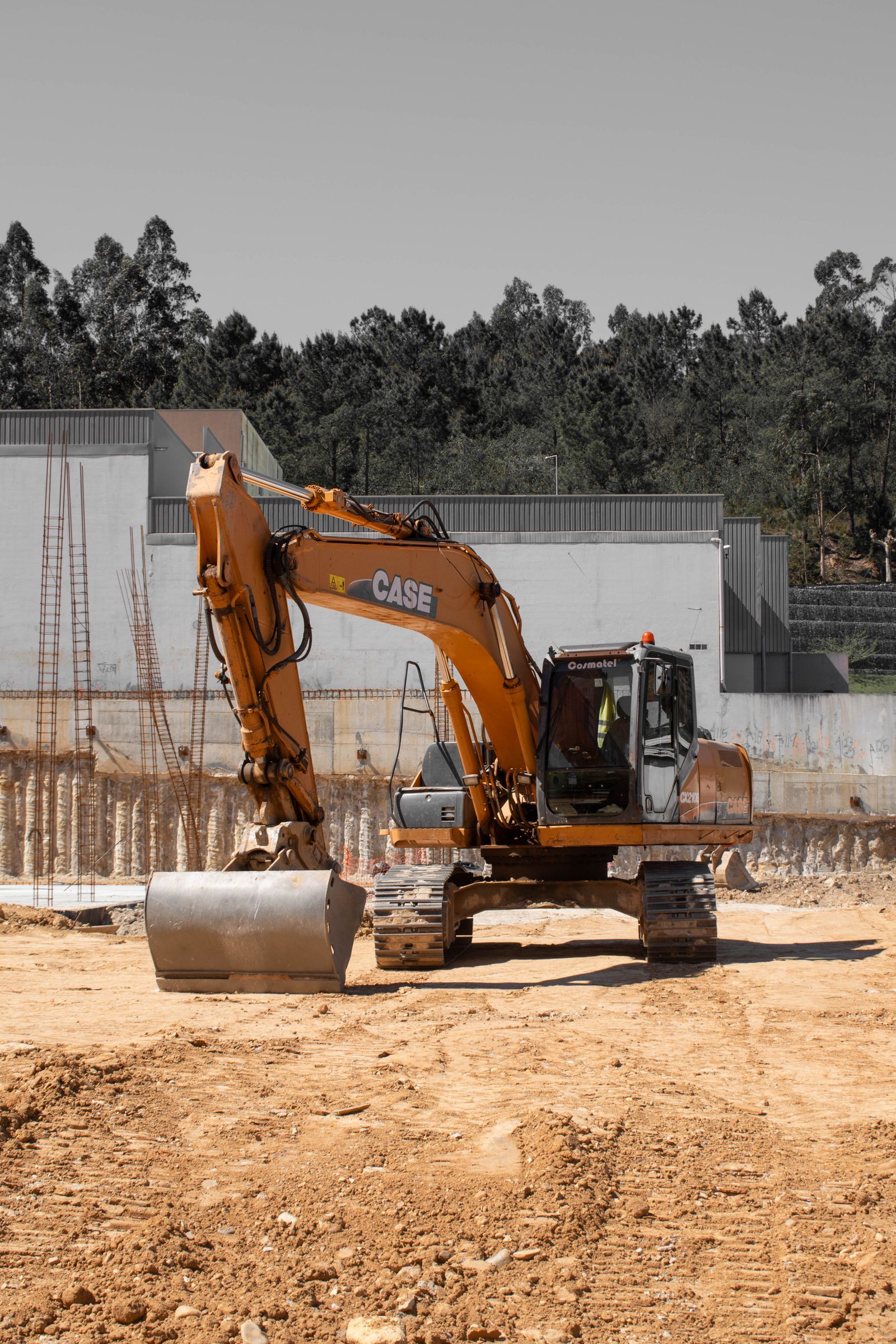
Demar Construction Inc., a Niagara Region company that installs water and sewage pipelines, pleaded guilty to four offences tied to gas pipeline strikes across southern Ontario. The Ontario Court of Justice fined the company $20,000 for each of two offences and $25,000 for a third, with all three offences occurring between April 2023 and May 2024. The company was fined a further $27,500 after a gas pipeline strike in St. Catharines in October 2025.
The company’s president and director, George Marianos, also pleaded guilty after striking a natural gas pipeline while operating an excavator. He was personally fined $20,000, plus a 25 per cent victim fine surcharge.
TSSA is the Technical Standards and Safety Authority, the provincial regulator for fuels, boilers and pressure vessels, elevating devices and other regulated equipment in Ontario.
Why the fines were so large
This was not a first offence. TSSA said Demar Construction, or its predecessor, has been linked to multiple pipeline strike allegations since 2010, and the company was previously prosecuted in 2017 for pipeline strikes, resulting in fines totalling $43,750 including the victim fine surcharge.
TSSA’s Director of Fuel Safety said repeated strikes show safety requirements are not being taken seriously, and the escalating fines send a clear message that companies and their directors will be held accountable for repeat non-compliance. Contractors have a responsibility to take precautions before digging and to make sure their employees meet safety requirements.
After the charges were laid, the company said it has stopped the unsafe digging practices. It has been renting vacuum trucks to avoid using mechanical equipment where it is not allowed, plans to buy its own machinery for ongoing use, and has trained its employees on safe excavation practices.
What a gas pipeline strike means for a homeowner
A gas pipeline strike happens when excavation equipment hits, scrapes or breaks an underground gas line. Even damage that looks minor can be dangerous. A nicked line can leak gas into soil, a basement or a wall cavity, and gas can travel and ignite far from the break. Strikes have caused fires, explosions, evacuations and loss of gas service to entire streets.
Homeowners are at risk too. A contractor digging for a deck, fence, pool, driveway or new gas line to a garage heater or barbecue can hit a line that was never marked or that sits in an unexpected place. The cost of a strike is measured in safety risk first and in fines, repairs and service outages second.
Safe checks before you dig to avoid a gas pipeline strike
- Request a locate before any digging. In Ontario, Ontario One Call marks buried utilities for free. Call or submit a request online and wait for the markings before breaking ground, even for a shallow job like fence posts or planting a tree.
- Respect the marks. The painted lines and flags show where utilities run. Keep mechanical digging equipment out of the marked area and dig by hand near a line.
- Know what is underground at your home. Ask about gas lines to a pool heater, garage heater, barbecue or outdoor fireplace, which may not follow the same path as the main service line.
- Keep the locate paperwork. If something goes wrong, it shows the locate was requested and the marks were in place.
- Watch for warning signs while digging. The smell of rotten eggs, hissing, bubbling in wet ground or dead vegetation in a line can point to a gas leak.
If you hit a gas line
- Stop work immediately and leave the area on foot. Do not start vehicles or equipment, use a phone or light a cigarette near the leak.
- Call 911 and your gas utility emergency line from a safe distance. Do not go back to shut off equipment or try to repair the line yourself.
- Warn others nearby and stay clear until the utility or emergency crews say it is safe to return.
When a licensed technician is required
Any work on a gas line or gas appliance in Ontario must be done by a TSSA-licensed technician working for a TSSA-registered contractor. That includes installing or moving a gas line, connecting a new appliance and repairing a damaged line. Before hiring, ask to see the technician’s licence and check the business on TSSA’s Authorized Heating Fuel Contractors lookup tool. Our earlier report on a Hamilton worker fined $22,500 for unregistered gas work shows what can go wrong when gas work is done outside that system.
A locate request costs nothing and takes a few minutes. A gas pipeline strike can cost far more, in safety, in service outages and in fines. Before the next shovel hits the ground, make the call.
If the job needs a pro, hire a TSSA-licensed technician and ask to see their licence before any gas work starts.
The Quality HVAC is an information and marketplace platform. We do not install, service, or repair HVAC equipment. Content here is educational only and is not a substitute for a licensed technician. In Ontario, gas appliance work must be performed by a TSSA-licensed technician. If you smell gas or your carbon monoxide alarm sounds, leave the home and call 911 or your gas utility emergency line.