- Introduction: The High Cost of the “Quick Fix”
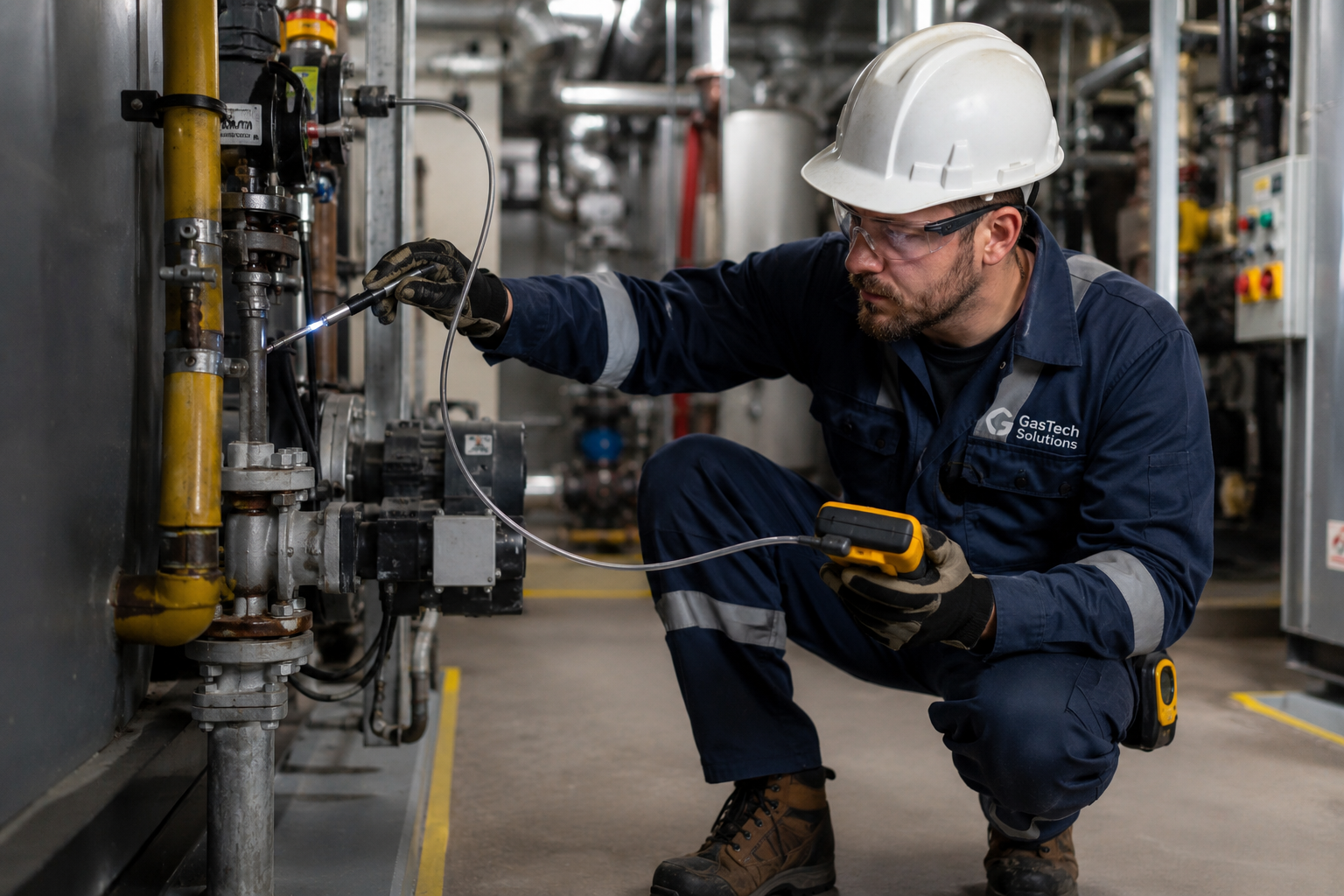
It is 5:00 PM on a Friday. You are at the tail end of a grueling shift, and you have one last service call: relighting a pilot on a residential furnace. The customer is frustrated, the basement is cold, and you can almost hear the “click” of your own front door at home. In this moment, the temptation to cut a corner, to skip a lockout or leave your safety glasses in the truck, is at its peak.
In the Gas Technician trade, we often operate under the pressure of tight deadlines and high stakes. However, a true professional knows that safety isn’t a list of bureaucratic hurdles; it is a fundamental technical mindset. Most catastrophic injuries in our field don’t happen because a technician lacked the manual, but because they ignored a known precaution for the sake of speed. As a consultant, I tell every crew I train: the “quick fix” is often the most expensive mistake you will ever make.
- Why “Off” Isn’t Enough: The Power of the Zero Mechanical State
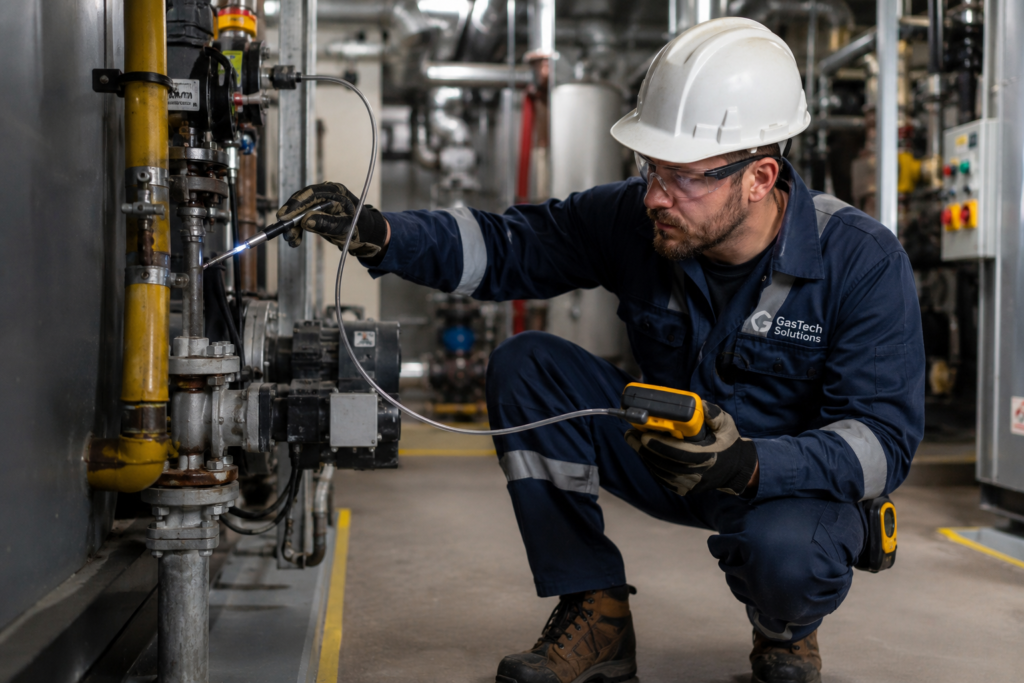
A common pitfall for novice technicians is the assumption that flipping an electrical toggle switch or closing a gas valve is enough to guarantee safety. While “off” might stop the flow of energy, it does absolutely nothing to address the stored energy remaining in the system. Whether you are replacing a furnace blower motor or inspecting a fuel burner, you are dealing with mechanical potential energy that can discharge without warning.
To be truly safe, you must achieve a “Lock-Out” condition, which ensures the equipment is isolated from every energy source. This brings us to the industry gold standard: the zero mechanical state.
“The term ‘zero mechanical state’ is used to describe a state where the mechanical potential energy of all portions of a piece of equipment or machinery is set to ensure that a movement will not cause injury. Some examples include: the opening of pipes, tubes, hoses, or actuation of any valve, lever or button.”
- The 85 Decibel Danger Zone
Hearing loss is the “silent” injury; it doesn’t bleed, so technicians often ignore it until the damage is irreversible. To put the stakes in perspective, a normal conversation sits at about 60 decibels (db). A circular power saw, a staple of our job sites, can scream at 120 db.
Experts identify 85 db as the safe maximum noise level for human ears. Because the simple act of hammering on metal or running a power drill easily exceeds this limit, PPE is non-negotiable.
Disposable foam earplugs are an effective, low-cost choice, but they demand high hygiene, inserting a dirty plug into your ear canal is a recipe for infection. Earmuffs are more durable and easier to keep clean, but as a technical storyteller, I’ll give you a consultant’s “secret” insight: always check your fit. Earmuffs can sometimes interfere with the suspension of your hard hat, breaking the seal and rendering your protection useless. Always ensure your gear works as a system, not just as individual pieces.
- The Confined Space Fallacy: It’s Not Just About the Size
There is a lethal misconception that a “confined space” is defined only by its cramped dimensions. In reality, size is secondary to design and atmosphere. A confined space, be it a boiler, a ventilation duct, a pit, or a tankis any area not intended for human occupancy, featuring limited entry and exit paths and poor natural ventilation.
The fallacy is believing that if the air “smells fine,” the space is safe. Beyond invisible atmospheric hazards like oxygen deficiency or toxic combustion gases, there are physical “engulfing” dangers, mechanical grinding risks, and crushing hazards from , mixers or agitators. You aren’t just entering a small room; you are entering a machine.
“Where your employer requires you to work in boilers, tanks, pits, ventilation ducts, or any other confined space, you must be provided with proper confined space entry training including lockout and atmospheric testing procedures.”
- Fire Mastery: Why You Should Never Aim at the Flames
Effective fire suppression requires a master’s understanding of the “Fire Triangle”: Oxygen, Heat, and Fuel. If you remove any one of these, the fire dies. When a blaze breaks out, your instinct will be to aim the extinguisher at the dancing flames. This is a mistake. To kill the fire, you must hit the fuel.
The professional standard is the PASS method:
- Pull the pin: This unlocks the discharge mechanism.
- Aim at the base of the fire: Hitting the flames allows the agent to pass through; hitting the fuel at the base is the only way to stop the reaction.
- Squeeze the top handle: This releases the extinguishing agent.
- Sweep from side to side.
Mastery also means maintenance. The Ontario Fire Code requires that portable extinguishers be inspected monthly and tested yearly. Furthermore, knowing your equipment is vital: using an Air-Pressurized Water (APW) extinguisher on an electrical fire is a critical error. For our trade, Dry Chemical “ABC” extinguishers are often the most effective, as they coat the fuel in dust to interrupt the chemical reaction.
- The “Three-Foot Rule” for Elevated Safety
Ladders are so commonplace that they breed a dangerous level of complacency. We use them every day, but we often forget the “why” behind the regulations. The most critical rule for a Gas Technician accessing a roofline is the three-foot extension.
The ladder must extend at least three feet above the roof surface. This isn’t an arbitrary number; those three feet provide the necessary handhold for the transition from the ladder to the roof. This transition—where your center of gravity shifts and your footing changes—is the most dangerous moment of the climb. Without that handhold, you are essentially performing a balancing act at height.
Finally, remember this: if a ladder is bent or cracked, it is trash. Most ladders cannot be repaired to manufacturer specifications. Never attempt a “quick fix” on a tool meant to save your life.
- Conclusion: Your Right to a Safe Return
Safety is a shared legal responsibility governed by the Occupational Health and Safety Act (OHSA). While your employer is obligated to provide a safe environment, you have a vital role to play. Under the law, you have the right to be trained on every piece of equipment before you use it, ensuring you are a “Competent Person”—someone qualified by knowledge, training, and experience to organize the work and its performance.
Perhaps the most important “secret” in any technician’s arsenal is the Right to Refuse Unsafe Work. If the state of the job site or the equipment puts you in immediate peril, the law is on your side.
Safety isn’t about slowing you down; it’s about ensuring you have a long, productive career. Next time you’re tempted to rush a job to save five minutes, ask yourself: is that time worth the risk of a state that isn’t “zero mechanical,” but “zero recovery”?