Hamilton House Explosions Gas Safety: 2 Blasts, 5 Lessons
Two house explosions shook the city of Hamilton on the morning of Thursday, October 8, 2026, just hours apart. In this Hamilton house explosions gas safety guide, we break down exactly what happened, explain how residential natural gas explosions occur, and share the warning signs and safety steps every Ontario homeowner should know.
Hamilton Fire Chief David Cunliffe told reporters that the two blasts were unrelated and that investigators were still working to determine what caused each one. “We don’t get a lot of buildings that explode and quite frankly to have two in the same day within hours is really not something that we see a lot,” he said. When explosions happen so close together in time, it is natural for homeowners to ask hard questions about gas safety in their own homes. This article answers them.
Table of Contents

The Hamilton House Explosions Gas Safety Timeline: October 8, 2026
The first explosion happened just after 7:30 a.m. at 182 Springside Dr. on Hamilton Mountain. A garage exploded with enough force to leave a large debris field, and the house collapsed in on itself. One person believed to have been inside the garage was taken to hospital and admitted to the burn unit in serious condition. Two neighbouring homes were significantly damaged, and the blast was powerful enough to be felt at nearby fire stations and a police station.
About 90 minutes later, at just after 9 a.m., a second explosion tore through a home at 8 Lampton Place in Hamilton’s east end, near Parkdale Ave North. Two seniors were inside the house when the blast hit. Neighbours rushed into the burning building and pulled them out, with help from a person who worked at a nearby industrial business. One of the seniors was taken to hospital in critical condition with life-threatening burns, while the other was listed in serious but stable condition. Around 50 firefighters responded and brought the blaze under control in roughly 30 minutes. Early estimates put the damage at $750,000, and part of the house collapsed.
Neighbours near Lampton Place reported smelling natural gas before the explosion, a detail investigators will examine closely. Gas provider Enbridge said it is working with authorities, and crews were seen digging at the scene to inspect the piping. Both the Ontario Fire Marshal’s office and the Technical Standards and Safety Authority (TSSA) were notified and are part of the investigation. As of the latest reports, the official causes of both blasts had not been determined.
How Residential Natural Gas Explosions Happen
Natural gas on its own does not explode. For an explosion to occur, three things must come together: a fuel leak, an enclosed space where gas can accumulate, and an ignition source. The Hamilton house explosions gas safety lesson here is that all three ingredients exist in ordinary homes, which is why even small leaks must be taken seriously.
Leaks can start in several ways. Gas lines and connectors age and corrode over time. Appliances such as furnaces, boilers, water heaters, stoves, and dryers can develop faulty valves, cracked heat exchangers, or loose fittings. Poor installations and do-it-yourself gas work are another common source of trouble. Even a slow leak matters, because natural gas is lighter than air and rises, collecting in wall cavities, ceiling spaces, basements, and garages until it reaches an explosive concentration.
Once enough gas has accumulated, almost anything can set it off: a furnace or water heater cycling on, a pilot light, a light switch being flipped, a garage door opener, a phone ringing, or even static electricity. That is why experts say you should never operate anything electrical when you suspect a leak. A garage, like the one involved in the Springside Drive blast, is especially vulnerable because it is often full of ignition sources and poorly ventilated.
Warning Signs Every Homeowner Should Know
Natural gas in its pure form has no smell, so utilities add a chemical called mercaptan that gives it a distinctive rotten-egg or sulphur odour. That smell is your most important early warning. Watch for these signs:
- A rotten-egg or sulphur smell inside or around your home. Never ignore it or assume it will go away on its own.
- Hissing or whistling sounds near gas lines, the gas meter, or gas appliances, which can indicate gas escaping under pressure.
- Dead or discoloured vegetation in an otherwise green patch of lawn above a buried gas line outdoors.
- Pilot light or burner problems, such as a pilot light that will not stay lit, or stove and furnace burners with weak, yellow, or uneven flames instead of steady blue ones.
- An unexplained jump in your gas bill, which can be a sign of a hidden leak somewhere in the system.
Neighbours near the Lampton Place explosion reported smelling gas beforehand. That detail is a painful reminder that the rotten-egg smell is a warning to act on immediately, not later in the day.
What to Do If You Smell Gas
If you ever smell natural gas in or around your home, follow these steps in order. Do them from memory, because in the moment you will not want to look anything up:
- Do not create a spark. Do not flip light switches, use the garage door opener, light matches or candles, or turn appliances on or off.
- Do not use phones or electronics inside. Leave mobile phones alone until you are outside and well away from the house.
- Leave immediately. Get everyone, including pets, out of the house right away. Do not stop to open windows, turn off appliances, or grab belongings.
- Call for help from outside. Once you are a safe distance away, call 911 and your gas utility’s emergency line (for most Ontario homes, that is Enbridge) from a mobile phone or a neighbour’s phone.
- Do not go back inside until firefighters or the gas utility confirm it is safe to re-enter.
If the smell is strong, or if you hear hissing, skip straight to leaving and calling from outside. It is always better to report a suspected leak that turns out to be nothing than to hesitate on one that turns out to be real.
Who Investigates and Regulates Gas Safety in Ontario
After an incident like the Hamilton explosions, several organizations each play a defined role:
- The Ontario Fire Marshal’s office investigates the origin and cause of fires and explosions, working alongside local fire services such as the Hamilton Fire Department.
- The Technical Standards and Safety Authority (TSSA) is Ontario’s safety regulator for fuels, including natural gas. It sets the installation codes, certifies and licenses gas technicians, and investigates incidents involving fuel-burning equipment and piping.
- Enbridge Gas, as the gas distributor, maintains the pipeline network, responds to leak reports, and cooperates with investigators, including digging up and inspecting piping at incident scenes, as crews did at Lampton Place.
This layered system exists so that no single party is left to judge its own work. Fire investigators determine what happened, the TSSA determines whether equipment or installations met the rules, and the utility secures and inspects its infrastructure.
How to Prevent a Gas Explosion at Home
Most residential gas incidents are preventable. These Hamilton house explosions gas safety steps are the most effective things a homeowner can do:
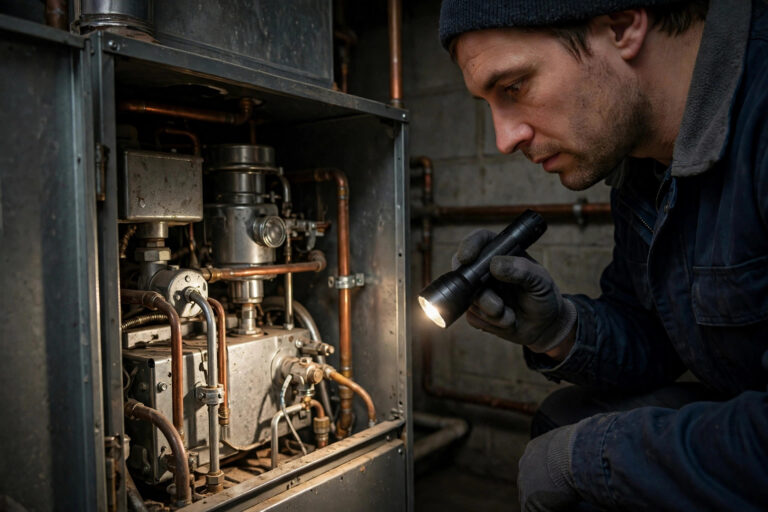
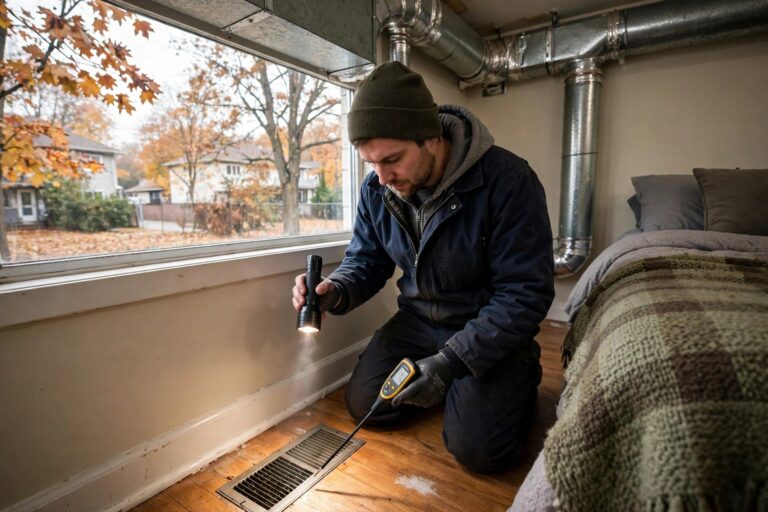
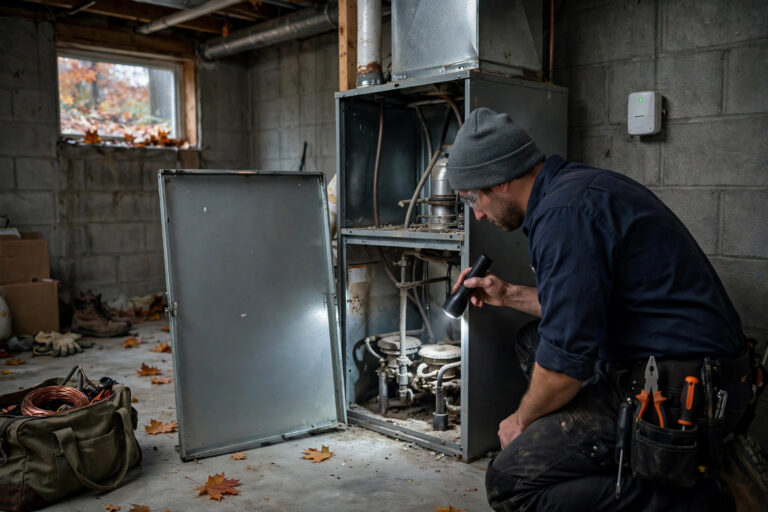
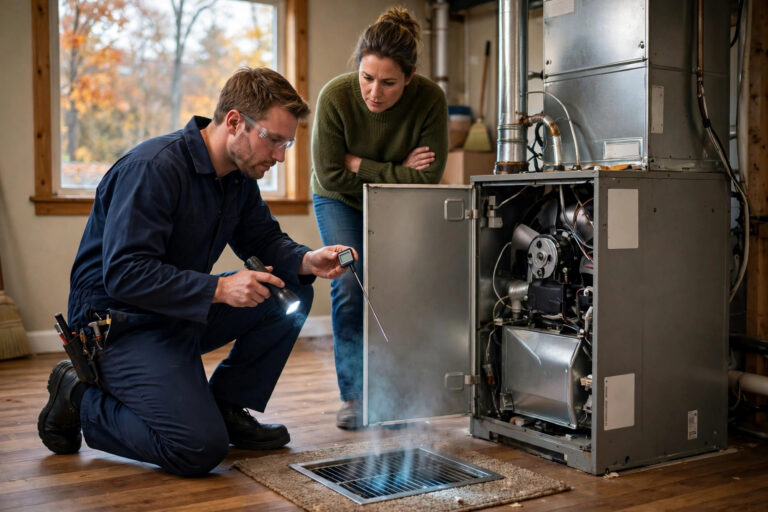
- Service gas equipment every year. Have your furnace, boiler, water heater, and other gas appliances inspected and serviced annually by a licensed, TSSA-certified technician. Regular servicing catches corroded connectors, cracked heat exchangers, and ventilation problems before they become dangerous.
- Install combustible gas detectors. These are different from carbon monoxide detectors and detect natural gas itself. Place them near gas appliances and sleeping areas, test them regularly, and replace them according to the manufacturer’s schedule.
- Know where your gas shutoff valve is. Find the main shutoff valve on the gas line entering your home and make sure every adult in the household knows its location. Only turn it off in a genuine emergency, and have the utility or a licensed technician turn it back on.
- Call before you dig. Always contact Ontario One Call for free utility locates before any digging project, from fence posts to landscaping. Striking a buried gas line is one of the fastest ways to create a dangerous leak.
- Never do your own gas work. Gas piping and appliance hookups are strictly jobs for licensed professionals. Improper installations are a known cause of leaks and are illegal in Ontario without proper certification.
A Final Note for Ontario Homeowners
The back-to-back Hamilton blasts are a rare and frightening reminder that natural gas demands respect. The reassuring part is that most gas incidents are preventable with annual maintenance, working detectors, and fast action when something smells wrong. We hope this Hamilton house explosions gas safety study helps your household stay prepared and confident about the gas equipment under your roof.
Concerned about an aging furnace, a gas line, or an appliance that does not seem right? Post the job on The Quality HVAC and get quotes from verified local pros who can inspect and service your equipment safely.