Furnace Flame Is Yellow Instead of Blue: What It Means and What to Do First
Furnace Flame Is Yellow Instead of Blue: What It Means and What to Do First
Table of Contents
A yellow furnace flame is one of the clearest warnings a gas furnace can give you, and it is also one of the easiest to miss. Most homeowners never look at the burner flame at all, and when they do, a yellow furnace flame can look almost normal: the furnace is still running, the house is still warm, and nothing smells wrong. The colour of the flame matters, though, because it tells you how completely the gas is burning. This guide explains what a yellow furnace flame usually means, the safe checks you can do yourself, what never to touch, and the signs that mean stop and call a licensed technician.
A healthy gas furnace flame is mostly blue, with a small pale yellow tip at the very top of each flame cone. The blue colour means the gas is mixing with enough air and burning completely.
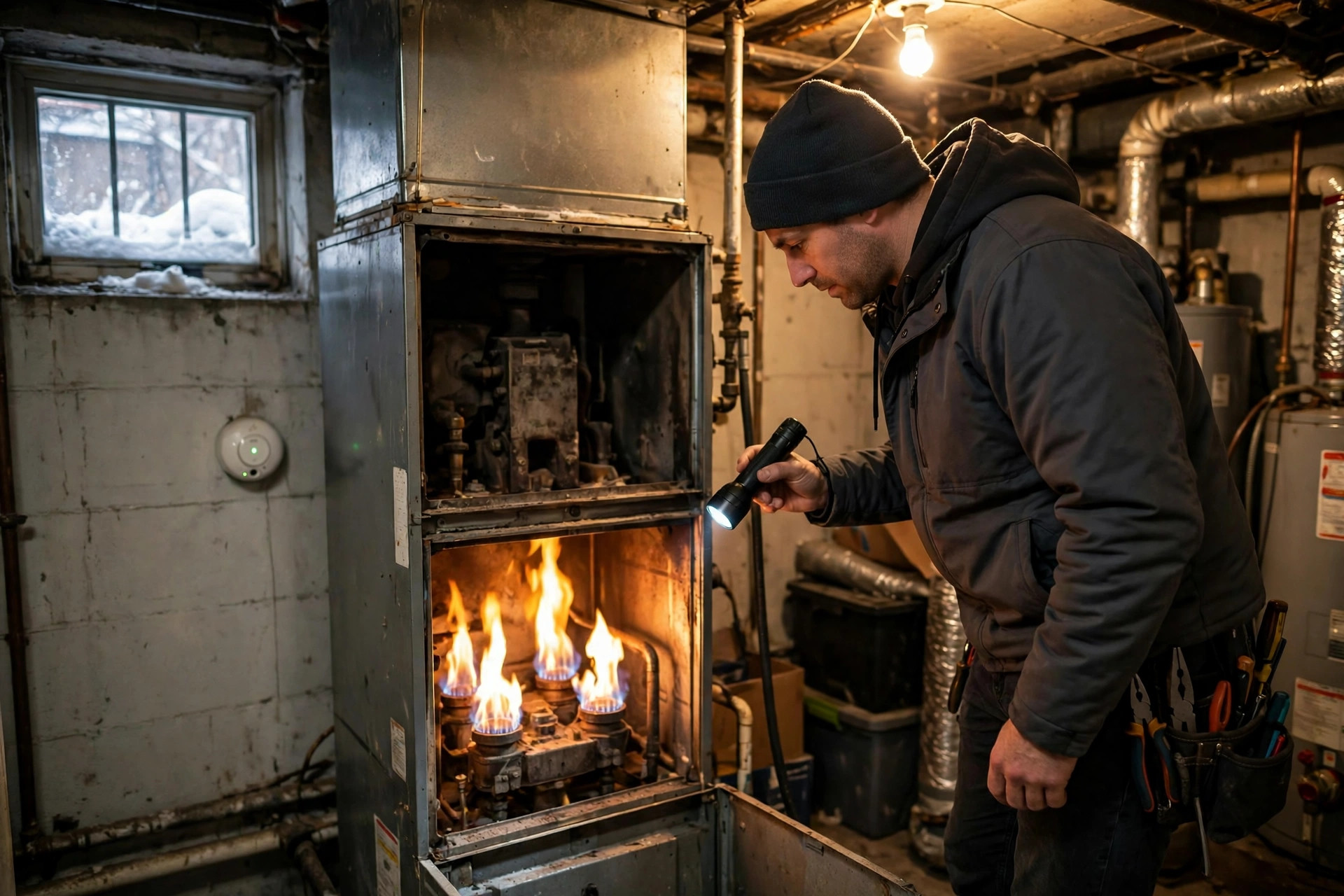
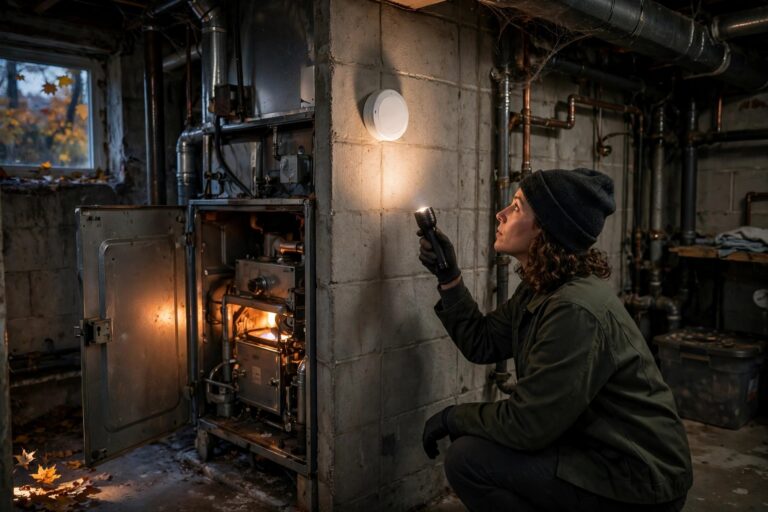
A yellow furnace flame is different: the flames look yellow or orange through most of their height, they are tall and lazy instead of short and sharp, and they may waver, lift off the burners, or flicker unevenly. A yellow furnace flame means the gas is not burning completely, and incomplete burning can produce carbon monoxide, the colourless and odourless gas that makes a faulty furnace dangerous. That is why a change in flame colour is worth taking seriously even when the heat still works.
What you are noticing
The first thing to notice is how much of the flame is yellow. A yellow furnace flame that is yellow only at the very tip, with a strong blue cone underneath, is usually fine, especially for a few seconds after the burners first light. A yellow furnace flame that is yellow all the way through, from the burner up to the top of the flame, is the one to watch. Notice whether the yellow is steady or changing: a flame that is yellow every time the furnace runs is a different problem from a flame that turned yellow after a renovation, a dusty week, or a cold snap.
Next, notice the shape of the flame. A healthy flame stands upright and steady over each burner, about the same height on every burner. A yellow furnace flame is often taller and lazier, waving or leaning to one side, and it may lift off the burner or dance instead of standing still. If one burner has a blue flame and the next one is yellow, that difference is useful information: it points toward that one burner rather than the gas supply to the whole furnace. If all the burners are yellow, the cause is more likely to be something the whole furnace shares, such as the air supply or the vent.
Also notice what else is happening at the same time. Is there soot or black marks around the furnace, on the vent pipe, or above the burners? Does the furnace smell different, or has the carbon monoxide alarm gone off? Is the house still heating normally, or is the furnace running longer and the air from the registers cooler than usual? A yellow furnace flame with soot, a burning smell, or a carbon monoxide alarm is a stop-and-call situation, and the details you notice now are the details a licensed technician will ask about first.
What it usually means
A yellow furnace flame means the gas and the air are not mixing and burning the way they should. A gas flame needs the right amount of air to burn completely, and when something disturbs that balance, the flame turns yellow and starts making soot and carbon monoxide instead of clean heat. A yellow furnace flame is a symptom, not a diagnosis, and the causes below are ranked from the most likely first, because the most common cause of a yellow furnace flame is also the simplest one.
Yellow furnace flame: most likely causes
- Dirty burners or blocked burner ports. This is the most common cause of a yellow furnace flame. Over a heating season, dust, rust flakes, and debris settle on the burners and clog the small slots the gas comes out of. When a burner port is partly blocked, the gas comes out unevenly and does not mix with air properly, so the flame over that burner turns yellow and lazy. A yellow furnace flame that appeared gradually over the winter, or that is worse on one or two burners than the rest, often comes back to dirty burners. Cleaning burners means opening the burner compartment, so it is licensed-technician work.
- Not enough combustion air reaching the furnace. A gas furnace needs a steady supply of fresh air to burn gas completely. If the furnace room is tightly sealed, if the combustion air opening is blocked by stored boxes or laundry, or if a powerful kitchen range hood or bathroom fan is pulling air out of the house, the furnace can be starved of air and the flame turns yellow. A yellow furnace flame that appears when the house is closed up tight for winter, or that gets worse when the range hood is running, can point to an air supply problem. The furnace vent blocked by snow guide covers a related air problem outside the house.
- A blocked or restricted vent or flue. The exhaust vent carries the burned gases out of the house, and if it is partly blocked, the furnace cannot breathe out properly and the flame suffers. Snow, ice, a bird’s nest, leaves, or a sagging vent pipe can all restrict the flue. A yellow furnace flame that appears after a heavy snowfall, or that comes with a furnace that keeps shutting itself off, can point to a vent problem. Never try to clear a vent from inside the furnace, and never run a furnace with a disconnected vent pipe.
- Dust and lint in the air around the furnace. A yellow furnace flame can be temporary. After a renovation, after drywall work, or in a dusty basement, fine dust in the air gets drawn into the flame and makes it burn yellow until the dust clears. A yellow furnace flame that showed up right after sanding, sawing, or a dusty job near the furnace, and that goes back to blue once the dust settles, is often just dust in the flame. If the yellow flame does not clear within a day or two of the dust clearing, the cause is something else on this list.
- Low gas pressure or a gas valve problem. If the gas is not arriving at the burners at the right pressure, the flame cannot burn properly and turns yellow. Low gas pressure can come from a problem at the gas meter, a partly closed valve, or a failing gas valve inside the furnace. A yellow furnace flame that appears at the same time on other gas appliances in the house, such as a water heater or a gas stove, points toward the gas supply rather than the furnace itself. Gas pressure is never a homeowner adjustment: it is measured and set by a TSSA-licensed technician, and the furnace smells like gas guide explains what to do if you smell gas at any point.
- The wrong burner orifice or the wrong gas type. Every furnace is set up for one kind of gas, natural gas or propane, and the small brass orifices that meter gas into the burners are sized for that gas. If a furnace was converted from one gas to another without the right orifices, or if the wrong orifice was fitted during a repair, the flame will burn yellow from the first day. A yellow furnace flame that has been there since the furnace was installed or since a recent repair is a sign the setup needs checking by a licensed technician.
- A cracked heat exchanger disturbing the flame. This is the least common cause and the most serious. The heat exchanger is the metal chamber that separates the burner flames from the air blown into the house, and if it cracks, air from the blower can blow into the flame and make it waver, lift, or roll out of the burner compartment. A yellow furnace flame that flickers, leans, or rolls out toward the front of the furnace, especially with soot or a burning smell, can point to a cracked heat exchanger. The furnace burning smell guide explains which burning smells are normal at the start of the season and which ones are not, and the furnace red tag guide explains what happens when a technician finds a furnace unsafe to run.
A yellow furnace flame is not a problem to rank and then forget about. Even the mildest cause on this list, dust in the air, is worth confirming, because the same yellow colour can also be the first visible sign of incomplete combustion that is making carbon monoxide. The safe checks below can help you work out which kind of yellow furnace flame you are seeing. They cannot open the furnace or fix the cause, and they should never be used as a reason to keep running a furnace whose flame has changed colour.
Safe checks you can do yourself
These checks are visual and simple. They do not involve opening the furnace cabinet, touching a gas line, working with wiring, or removing a panel. If a check would require a tool, a ladder, or opening the furnace door, it stops being a homeowner check. If you smell gas at any point, skip this section entirely, leave the house, and call 911 or the Enbridge Gas emergency line at 1-866-763-5427 from outside.
Yellow furnace flame: safe checks before you call
- Look through the sight glass only. Most furnaces have a small window in the access door. Look through it while the burners are lit and note the colour: mostly blue with a small yellow tip is healthy, mostly yellow is not. Do not open the furnace door to get a better look. A yellow furnace flame seen through the sight glass is enough information to call a technician, and the furnace error codes guide explains how to read the blinking light behind the same window.
- Note whether the yellow is on all burners or just one. Yellow on every burner points toward the air supply, the vent, or the gas pressure. Yellow on one burner only points toward that burner. A yellow furnace flame that is even across all burners is useful information for a technician, so write down what you saw before you call.
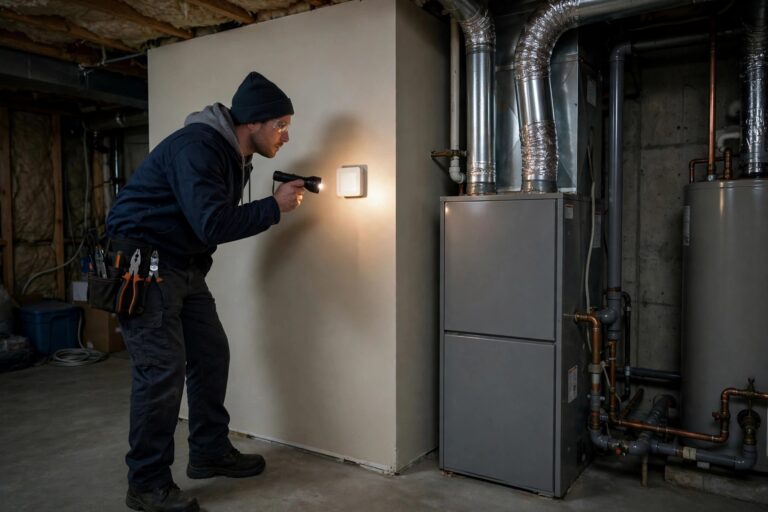
- Check your carbon monoxide alarm. Make sure the alarm near the furnace and the alarms in the bedrooms are working: press the test button and check the expiry date on the back. A yellow furnace flame with a carbon monoxide alarm sounding is a leave-the-house situation, and the carbon monoxide detector guide explains what to do first.
- Check the air filter. A filter clogged with dust restricts airflow through the furnace, and poor airflow can make the furnace overheat and the flame burn badly. Slide the filter out, hold it up to the light, and replace it if you cannot see light through it. A yellow furnace flame that improves with a clean filter still deserves a technician’s look, because a filter does not usually change flame colour on its own.
- Check the combustion air opening and the furnace room. Look at the opening or grille that brings fresh air into the furnace room and make sure it is not blocked by boxes, laundry, or stored items. Move anything blocking it away from the furnace without touching the furnace itself. A yellow furnace flame that clears after you unblock the air opening is a strong clue about the cause.
- Check the vent and the intake outside. Walk outside and look at the furnace vent and the combustion air intake pipes where they leave the house. Clear snow, ice, and leaves away from the openings with your hands or a broom, and make sure nothing is leaning against them. A yellow furnace flame after a snowfall is often a blocked vent, and the furnace vent blocked by snow guide covers what to clear and what to leave alone.
- Check your other gas appliances. Look at the flame on a gas stove burner and the water heater if you can see it safely. A yellow furnace flame on its own points to the furnace. Yellow flames on the stove and the water heater as well point toward the gas supply to the whole house, and that is a call to your gas utility as well as a technician.
- Look for soot. Look at the outside of the furnace, around the vent pipe, and on the wall above the furnace for black soot marks. Soot means the furnace has been burning incompletely for a while, and a yellow furnace flame with soot is more urgent than a yellow furnace flame without it. Do not wipe soot off the inside of the furnace or the burners yourself.
- Note when the yellow flame started. Did it appear suddenly, or has it been yellow all season? Did it start after a repair, a renovation, a cold snap, or a snowfall? A yellow furnace flame that started right after a repair or a renovation has a different likely cause from one that appeared slowly over the winter, and a technician will ask when you first noticed it.
Do not keep running the furnace to see if the yellow flame goes away on its own. A yellow furnace flame that is caused by dust may clear, but a yellow furnace flame caused by a dirty burner, a blocked vent, or low gas pressure will not fix itself, and it can get worse while you wait. If the checks above leave you unsure, or if the yellow flame comes with soot, a smell, or a carbon monoxide alarm, turn the thermostat down without touching the furnace itself and call a licensed technician.
What not to touch
Do not touch the gas line or the gas valve, do not adjust gas pressure, and do not try to tighten, loosen, or seal a gas connection yourself. Do not open the burner compartment, do not clean, adjust, or replace the burners, and do not change a burner orifice or try to convert a furnace from one gas to another. Do not remove a furnace panel to reach the gas valve, the heat exchanger, the blower motor, or the control board, and do not disconnect a safety control or bypass anything to keep the furnace running.
In Ontario, gas appliance work must be performed by a TSSA-licensed technician, and gas work done by someone unregistered is not just unsafe, it is illegal, as the Hamilton unregistered gas work case shows. If you are checking a technician’s credentials, the TSSA fuels contractor lookup is a public resource for gas work.
Do not work on the vent pipe or its joints, do not change wiring, and do not try to clean the flame sensor, the igniter, or the burners with sandpaper, steel wool, or a brush. Do not poke at a burner to see if it is hot, and do not run the furnace with panels removed to watch the flame. A yellow furnace flame is a sign to look, note, and call, not a sign to take the furnace apart. Gas and a furnace are a combination that rewards caution, not curiosity, and the safest repair you can make is the phone call you make to a licensed technician.
Stop and call a licensed technician if
- Your carbon monoxide alarm sounds, or anyone in the home has headaches, dizziness, nausea, or confusion that ease outdoors: leave the house and call 911.
- You smell gas, even faintly, while the yellow furnace flame is showing: leave the house and call 911 or the Enbridge Gas emergency line at 1-866-763-5427 from outside.
- The yellow furnace flame comes with black soot on the furnace, the vent pipe, or the wall above it.
- The flame is rolling out of the burner compartment toward the front of the furnace, or it lifts off the burners and flickers wildly.
- The yellow furnace flame comes with a burning smell, scorch marks, or a blinking error light.
- The furnace is running longer than usual and the air from the registers is cooler than it should be.
- The yellow furnace flame appears on other gas appliances in the house as well as the furnace.
- The furnace keeps shutting itself off, locking out, or showing a red tag.
- The yellow furnace flame started right after a repair or a gas conversion, or it has been yellow since the furnace was installed.
- The yellow furnace flame does not clear within a day or two of the dust clearing after a renovation.
- You are unsure whether the flame is blue enough to be safe: when in doubt, call.
If the job needs a pro, hire a TSSA-licensed technician and ask to see their licence before any gas work starts. A yellow furnace flame is the furnace showing you, in colour, that the gas is not burning the way it should. A small yellow tip on an otherwise blue flame is normal, but a flame that is yellow all the way through deserves a licensed technician the same day. Catching incomplete combustion early is a cleaning or an adjustment. Leaving it until the carbon monoxide alarm sounds is not. For more plain-language help with furnace problems, see the symptoms library, the tools and guides, and the equipment marketplace on The Quality HVAC.
The Quality HVAC is an information and marketplace platform. We do not install, service, or repair HVAC equipment. Content here is educational only and is not a substitute for a licensed technician. In Ontario, gas appliance work must be performed by a TSSA-licensed technician. If you smell gas or your carbon monoxide alarm sounds, leave the home and call 911 or your gas utility emergency line.


One Comment